
Selling silver: what it's worth, what moves the price, and
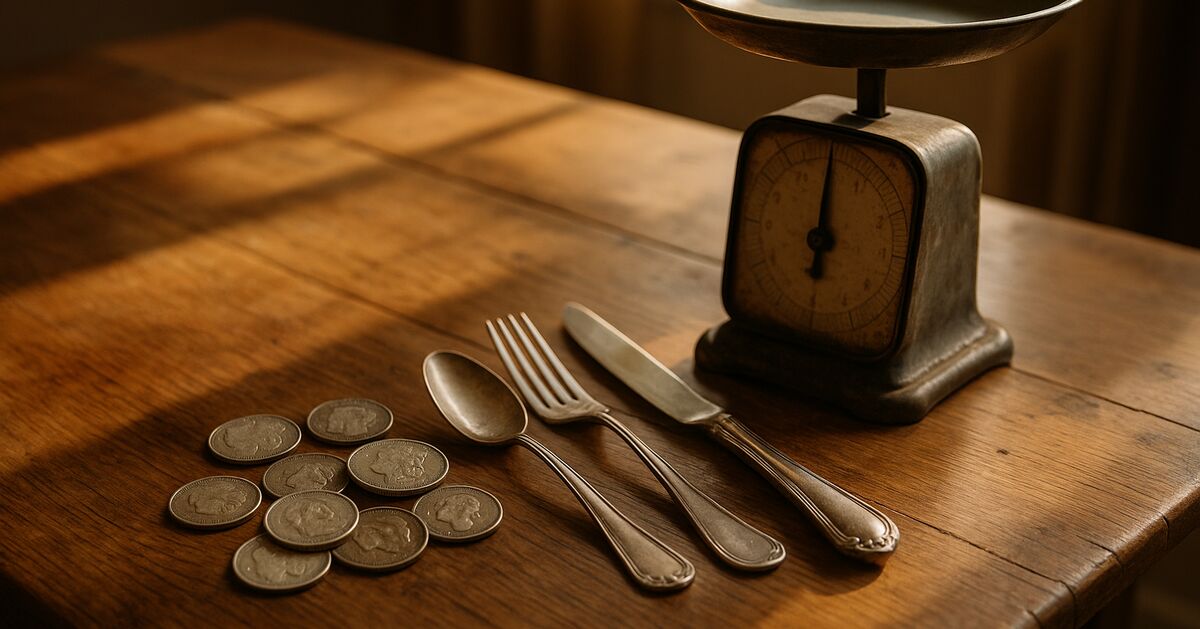
Selling silver is not complicated once you know the three things that actually determine what lands in your pocket: what you have, what it is worth right now, and who is the right buyer for your particular situation. Get all three right and the process is straightforward. Miss one of them and you are likely to leave real money on the table.
I ran a precious-metals buying business for eighteen years. In that time I talked to thousands of people who were selling silver for the first time. The same questions came up again and again, and the same mistakes too. This guide covers both.
Start by figuring out what you actually have
Before you can value anything, you need to know what it is. Silver shows up in a few distinct categories, and each one is treated differently by buyers.
Coins. US silver coins are the easiest category to identify. Dimes, quarters, and half dollars struck in 1964 or earlier are 90% silver. Dollar coins dated 1935 or earlier are also 90% silver. Half dollars from 1965 to 1970 are 40% silver - often overlooked, but still worth something. Modern bullion coins such as the American Silver Eagle (one troy ounce of .999 fine silver) and the Canadian Silver Maple Leaf are straightforward too: their weight and purity are guaranteed by their governments.
If you have a jar of old change and you are not sure which coins to pull out, the guide to which coins in a jar of old change are actually silver covers this in detail, including the few edge cases that trip people up.
Jewelry. Almost all genuine silver jewelry made for the US market is stamped "Sterling" or ".925". If neither mark is present, a buyer will test it before making an offer, and you should treat it as unconfirmed until then. Do not assume unmarked white metal is silver - a lot of it is not.
Flatware and hollowware. Sterling flatware made in the United States is stamped "Sterling." British pieces carry a different system of hallmarks (a lion passant, an assay office mark, a date letter, and a maker's mark). Pieces made elsewhere in Europe and Latin America use their own national purity marks. The word "Silver" alone, or a mark that says "Silver Plate," means the piece has a thin coating over a base metal and contains almost no recoverable silver - a category worth handling separately from solid sterling.
Other scrap. Silver turns up in unexpected places: dental crowns and fillings, old photographic chemicals, electronic components, and antique mirrors with silver-leaf backings. If you suspect you have something unusual, the article on where scrap gold and silver hides in an ordinary house is worth a read before you start sorting.
Understanding what your silver is worth
Silver is a commodity. Its base value is set by the spot price, which is the current market price per troy ounce for pure silver. Spot price moves every business day - sometimes sharply - so the number you see today may be different tomorrow.
From that spot price, buyers calculate what they will pay you. The key variables are:
- Purity. Sterling silver is 92.5% pure. A 40-gram sterling piece contains 37 grams of actual silver; the rest is copper. Buyers price on the silver content, not the total weight.
- Weight. Silver is measured in troy ounces (one troy ounce equals 31.1 grams), not the avoirdupois ounces you use on a kitchen scale. This difference catches a lot of people off guard. The complete guide to weight and purity conversions walks through the maths with worked examples.
- Form. A coin that collectors want may be worth more than its silver content alone. A bent, worn piece of sterling flatware is worth only its melt value. Bullion coins from recognized mints carry a small premium over spot because buyers can resell them easily.
- Buyer's margin. No buyer pays 100% of spot. They are running a business: they need to cover refining costs, shipping, insurance, staff, and profit. In my experience running a buying business, fair buyers for scrap sterling generally paid somewhere in the range of 70-90% of the silver melt value, depending on quantity and their cost structure. Bullion coins often attract a higher percentage because the resale market is liquid.
The best way to get a real-time sense of the numbers is to look at a live silver spot price source and do the maths yourself before you walk into any buyer's shop. The article on what live price charts really mean when you're selling silver explains how spot price translates - or doesn't - into the number a buyer quotes you.
When to sell
This is the question I got asked more than any other, and the honest answer is uncomfortable: nobody knows where the silver price is going next.
There are analysts who argue silver is chronically undervalued and due for a major run-up. There are equally credible voices who expect prices to fall. Some commentators have raised questions about whether large institutional players influence the futures market in ways that make short-term price prediction unreliable. I followed the markets closely for nearly two decades. I studied the data every single day. I still could not consistently predict what silver would do in the next week, let alone the next year.
What I can tell you is this: selling when it makes financial sense for you is usually the right answer. If you need the money now, sell now. If you inherited silver you have no use for, sell it. Do not hold onto metal you do not want on the theory that you will time the market perfectly. The people who do that for a living, with full-time research teams and sophisticated tools, do not beat the market consistently. A private seller holding a shoebox of old spoons is not going to do better.
If you are genuinely curious about market timing and how to read price signals, the full end-to-end guide to selling silver at the best price covers that in depth alongside the rest of the selling process.
Where to sell: local options
When you need cash quickly and cannot wait several days for a mail-in transaction to complete, local buyers are your only realistic option. Here is how the main types compare.
Coin dealers. For silver coins, a reputable coin shop is generally your best local choice. A knowledgeable dealer can quickly assess whether a coin has collector value above its melt worth, which a pawn shop often will not. The catch: the spread between dealers is significant. In my experience, a good dealer might pay around 80-85% of melt on common junk silver, while a poor one might offer as little as 50%. Get at least three quotes before accepting anything.
Jewelers. Some jewelers buy sterling flatware and jewelry, but many prefer not to - it is outside their core business and they may lowball because they are not confident in their own valuation. Worth asking, but treat any offer as one data point among several.
Pawn shops. Pawn shops offer convenience and immediate cash. They also carry the highest overhead of any buyer type and tend to offer the lowest prices to compensate. Use them only when speed genuinely matters more than price.
"We Buy Gold" storefronts. In collector and dealer communities, these walk-in operations that set up in strip malls and hotel conference rooms are widely reported to offer among the lowest prices of any buyer category. The business model depends on volume from sellers who do not know the spot price. Always check the spot price before you walk in.
Private buyers. Selling directly to another collector or investor - through a local coin club, an estate sale, or a community marketplace - can sometimes yield a better price because you are cutting out the middleman's margin. The trade-off is time, effort, and the need to screen buyers carefully. Meeting in a public place and accepting payment only in a verifiable form (cash, bank transfer confirmed before you hand over anything) is basic safety practice.
The FAQ page has answers to a number of common questions about the local selling process, including what paperwork buyers may ask you to provide.
Where to sell: mail-in and online buyers
For non-urgent sales, mailing your silver to a specialist buyer is worth serious consideration. The better online buyers have lower overhead than a physical shop and can afford to pay a higher percentage of spot as a result. That said, this channel has its own risks and requires careful vetting.
Before you commit to any mail-in buyer, check the following:
- Do they publish their prices clearly? A reputable buyer posts the percentage of spot they pay, or at least a clear price schedule, before you send anything. Vague language like "top dollar" with no specifics is a warning sign.
- Is there a minimum quantity? Some buyers advertise attractive rates that only apply to orders above a certain dollar amount. Read the fine print carefully. A rate of 90% of spot sounds excellent until you discover it applies only to lots over $500.
- Is the shipping insured and trackable? You are shipping items of real value. Any legitimate buyer provides a prepaid, tracked, and insured shipping label. If you are arranging your own shipping, use a service that covers the declared value and provides tracking at every step.
- What is their Better Business Bureau or Trustpilot record? Look for consistent positive feedback specifically about the offer and payment process, not just customer service pleasantries.
- How fast do they pay? In my experience, a standard turnaround from receipt to payment is around two to five business days. Longer than that warrants questions.
- Do they let you decline the offer? Any buyer worth dealing with will contact you with a firm offer after they receive and evaluate your items, and will return everything at their expense if you choose not to accept.
One common mistake in forums and owner communities: sending to the first buyer who appears in a search result because the site looks professional. Web design says nothing about the offer you will receive. Shop around, compare published rates, and do not send everything to one buyer before you have a sense of the range on offer.
Getting multiple offers: why it matters more than you think
A mistake that comes up again and again in discussions among first-time sellers is accepting the first offer. In my experience, the spread between the best and worst offer for an identical lot of silver can run 20-30 percentage points of melt value. On $500 worth of silver, that is a hundred dollars or more.
Getting competing offers does not have to be complicated. For coins, take photographs and note the dates and mint marks. For flatware and jewelry, weigh the pieces on a kitchen scale (and convert to troy ounces) and note the purity stamps. That information is enough to get quotes from several buyers without leaving your house, and it puts you in a genuinely strong negotiating position when you do decide to sell.
If you want a thorough grounding in how all of this fits together - identification, valuation, vetting buyers, and the final transaction - the home page has an overview of everything covered on this site, and the about page explains the perspective behind it.
A few practical warnings
- Do not clean your silver before selling. This comes up in a different post on this site, but it bears a quick mention here: cleaning coins can destroy collector value in seconds, and even cleaning flatware can sometimes reduce what a buyer offers. Leave everything as-is until you have spoken to a buyer.
- Keep your receipts. If you have documentation of what you paid for silver originally, hold onto it. Depending on your jurisdiction, gains from selling precious metals may be taxable, and your cost basis matters. This site does not give tax advice - talk to a qualified tax professional about your specific situation.
- Be realistic about silver plate. Electroplated silver items (look for markings like "EPNS," "Silver Plate," "Sheffield Plate," or "A1") have a coating so thin that the silver content is negligible. Most scrap buyers will not offer anything meaningful for silver plate. It may have decorative or antique value to a collector, but that is a different market from silver buyers.
- Weighted handles are a complication. Some older sterling knives have handles filled with pitch or plaster to give them weight and balance. Buyers account for this, usually by paying only on the blade weight or applying a blanket deduction. Know this before you expect full melt value on a set of knives.
The plain-English glossary of silver and gold trade terms is a useful reference if any of the terminology buyers use leaves you uncertain.
The bottom line
Selling silver rewards preparation. Know what you have, understand the spot price and how buyers calculate their offer from it, and get more than one quote. Those three steps will put you in a stronger position than the large majority of first-time sellers.
The process is not as opaque as it can feel when you are starting out. The information you need is available, the calculations are straightforward, and legitimate buyers exist at every price point. Take your time, ask questions, and do not let anyone pressure you into accepting an offer before you are ready.
Sources & further reading
- Commodity futures and spot price regulation (U.S. Commodity Futures Trading Commission)
- Troy weight and precious metals measurement standards (National Institute of Standards and Technology (NIST))
- Consumer protection guidance for selling valuables and avoiding fraud (U.S. Federal Trade Commission)
- Better Business Bureau: vetting precious metals buyers (Better Business Bureau)
Revision history (1)
- Pre-publish editorial QA: 2 flagged, 1 softened; claim audit: 14 claims, 6 rewritten
Claim-by-claim audit (14 checked)
- “Dimes, quarters, and half dollars struck in 1964 or earlier are 90% silver.” (cited → nist.gov)
- “Half dollars from 1965 to 1970 are 40% silver - often overlooked, but still worth something.” (cited → nist.gov)
- “Modern bullion coins such as the American Silver Eagle (one troy ounce of .999 fine silver) and the Canadian Silver Maple Leaf are straightforward too: their weight and purity are …” (cited → nist.gov)
- “Silver is a commodity. Its base value is set by the spot price, which is the current market price per troy ounce for pure silver.” (cited → cftc.gov)
- “Sterling silver is 92.5% pure.” (cited → nist.gov)
- “Silver is measured in troy ounces (one troy ounce equals 31.1 grams), not the avoirdupois ounces you use on a kitchen scale.” (cited → nist.gov)
- “In my experience running a buying business, fair buyers for scrap sterling generally paid somewhere in the range of 70-90% of the silver melt value, depending on quantity and their…” (rewritten to what the article can stand behind)
- “Some commentators have raised questions about whether large institutional players influence the futures market in ways that make short-term price prediction unreliable.” (rewritten to what the article can stand behind)
- “In my experience, a good dealer might pay around 80-85% of melt on common junk silver, while a poor one might offer as little as 50%.” (rewritten to what the article can stand behind)
- “In collector and dealer communities, these walk-in operations that set up in strip malls and hotel conference rooms are widely reported to offer among the lowest prices of any buye…” (rewritten to what the article can stand behind)
- “In my experience, a standard turnaround from receipt to payment is around two to five business days.” (rewritten to what the article can stand behind)
- “In my experience, the spread between the best and worst offer for an identical lot of silver can run 20-30 percentage points of melt value.” (rewritten to what the article can stand behind)
- “Depending on your jurisdiction, gains from selling precious metals may be taxable, and your cost basis matters.” (reasoning shown in the article)
- “cleaning coins can destroy collector value in seconds, and even cleaning flatware can sometimes reduce what a buyer offers” (reasoning shown in the article)