
Selling silver in a bear market: what changes
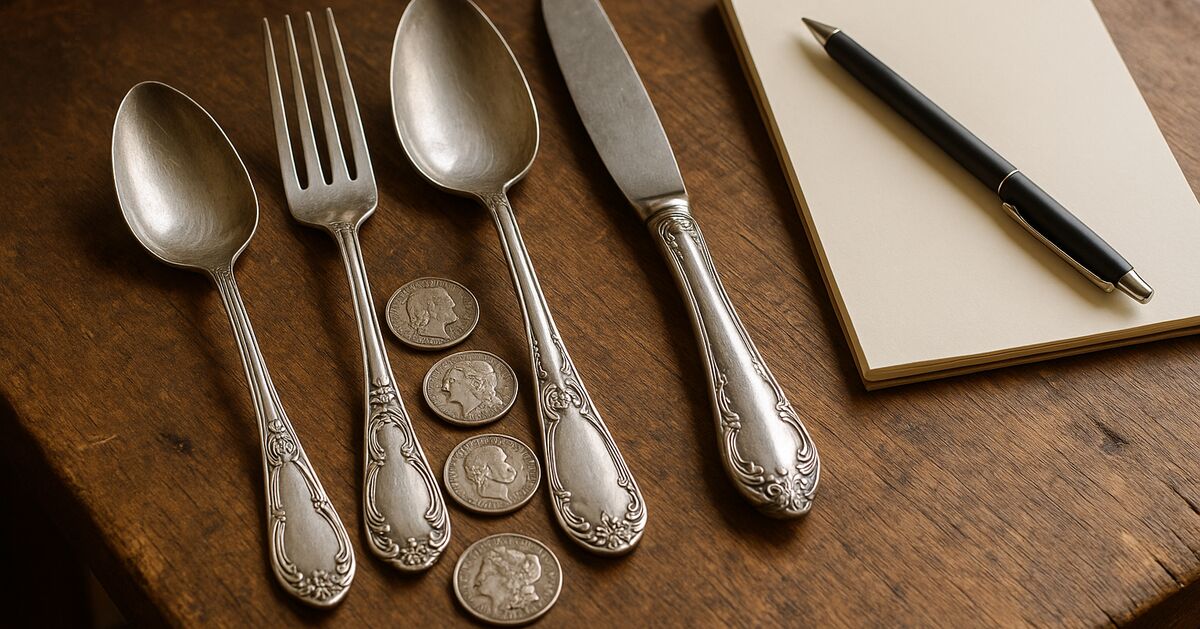
Silver prices fell sharply in the spring of 2023, dropped again through parts of 2024, and will almost certainly do something similar again at some point in the future. If you are sitting on silver right now and watching the spot price tick downward, the temptation is either to sell in a panic or to freeze and wait indefinitely for a "better time." Neither instinct serves you well. A bear market changes some things about selling silver in important ways, but a surprising number of things stay exactly the same - and understanding the difference is the most useful thing you can do before you make any decision.
What "bear market" actually means for silver sellers
A bear market in precious metals generally refers to a sustained period of falling prices, often described as a substantial decline from a recent peak. Silver tends to be more volatile than gold, and it can swing significantly within a single year. So a bear market for silver is not a rare, once-in-a-generation event. It is a recurring part of the cycle that every serious silver owner will encounter.
The key phrase for sellers is "sustained." A single bad week is not a bear market. A multi-month downtrend that has reset spot to a noticeably lower plateau is. When you are in one, the number you see on live price charts and what they mean is simply lower than it was, and that feeds directly into what buyers will pay you.
What genuinely changes in a bear market
The absolute dollar amount you receive goes down. This is the obvious one, but it bears spelling out clearly. If spot silver was $30 per troy ounce and is now $22, a 100-troy-ounce lot of sterling flatware that would have netted you roughly $2,100 at 90% of spot might net around $1,540 today. The percentage the buyer offers you has not necessarily changed - the base number underneath it has. That distinction matters, because sellers sometimes conflate "the buyer lowballed me" with "the market is lower." Understanding which is happening protects you from misdirected frustration.
Buyer caution increases. When prices are falling, buyers face inventory risk. Silver they buy today may be worth less by the time they refine or resell it. A reputable buyer manages this risk through tighter spreads and, in some cases, slightly lower percentage offers than they would make in a rising market. This is not dishonest - it is rational. A buyer who offers you the same percentage in a falling market that they offered in a rising one is either very confident in their hedging or is taking a risk that could hurt their business. Understanding why a buyer offers less when the market is volatile helps you interpret quotes without assuming bad faith.
Collector and investor demand softens. Buyers who purchase silver coins and bars for investment tend to pull back during a bear market, either waiting for a bottom or simply losing interest. This matters most for items with collector premiums: Silver Eagle coins, 90% junk silver, and numismatic pieces may see their premiums above melt value compress. The melt value itself is lower, and the premium has shrunk. That double compression is what makes bear markets particularly frustrating for coin sellers specifically.
The pool of private buyers shrinks. Selling on eBay, Facebook Marketplace, or Craigslist tends to be harder during a bear market, because the casual investor who would have happily paid 95% of spot in a rising environment is now sitting on their hands. If your selling strategy relies on finding private buyers willing to pay close to spot, you may find fewer of them willing to engage at all.
Urgency to sell feels higher, but leverage is lower. There is a painful irony in a bear market: many people feel more pressure to sell (because they fear prices will fall further), but they have less negotiating leverage (because buyers know that). Selling silver in a hurry is always costly, and that cost is amplified when the market is already moving against you.
What does NOT change in a bear market
Here is where most sellers are surprised. A substantial list of things remains constant regardless of where spot price sits.
The percentage spread buyers offer for your category of silver. A well-run coin dealer or scrap refiner works from a percentage of spot, not a fixed dollar amount per ounce. If they offer 85% of spot value on sterling scrap in a rising market, they will offer roughly the same percentage in a falling one (with some adjustment for the inventory risk noted above). The absolute dollar figure changes, but the underlying commercial relationship does not. Shop around and compare percentages, not just dollar quotes.
The importance of knowing what you have. Bear market or bull market, a seller who walks in knowing the purity, weight, and category of their silver gets a better outcome than one who does not. Sorting sterling from silver plate, knowing whether a coin is numismatic or just melt value, understanding whether flatware is weighted - none of that changes based on spot price. Sorting an inherited box of silver before getting quotes is just as valuable at $22 spot as it is at $30.
The risk of cleaning your silver before selling. Patina, original surfaces, and even honest wear are just as important to preserve in a bear market as in any other market. A tarnished coin cleaned before sale loses its numismatic premium whether silver is at $18 or $35 per ounce. If anything, in a bear market where premiums are already compressed, destroying residual collector value through cleaning stings even more. What "as-found" silver means and why cleaning costs you money applies in every market condition.
The hierarchy of buyer types. Refiners pay the most for pure scrap. Coin dealers pay the most for recognized numismatic coins. Mail-in buyers are convenient but introduce variables around lock-in prices and return policies. The relative rankings of who pays what for which category of silver do not flip during a bear market. What the home page of this site lays out about understanding different buyer types remains as relevant as ever.
The value of getting multiple quotes. In fact, shopping around matters more in a bear market. When absolute dollar amounts are lower, the percentage difference between a low offer and a fair offer represents more of your purchasing power. If one buyer offers 75% of spot on your sterling scrap and another offers 85%, that 10-percentage-point gap is proportionally the same in any market, but in a lower-price environment you can feel it more keenly as a dollars-and-cents figure.
The terms that govern mail-in transactions. A falling market makes it even more critical to read the fine print before you ship. Buyers who lock in your price at receipt rather than at shipment are taking less risk on your behalf, and in a dropping market that distinction can cost you real money. Reading a mail-in silver buyer's terms before you ship is essential in any market, but the consequences of getting it wrong are more acute when prices are trending downward.
The case for selling anyway
A common mistake among silver sellers in a bear market is anchoring to a previous high price and refusing to sell until spot "comes back." This is an understandable psychological response, but it is worth examining the underlying logic.
Silver may recover. It may not recover on any schedule that is useful to you personally. Timing the silver market consistently is difficult, even for experienced traders, so waiting indefinitely for a peak is risky. Meanwhile, you are storing, insuring, and potentially moving silver that has carrying costs both financial and practical.
There are circumstances where waiting makes sense: if the silver has significant numismatic value that is independent of spot price, if you genuinely do not need the money and have secure long-term storage, and if you have a realistic view of when you would sell regardless of price direction. But if you are waiting purely because you saw a higher price once and want it back, that is an emotional anchor, not a strategy.
The practical question is not "is now the best possible time?" but "is now a good enough time, given my actual circumstances?" For sellers who inherited silver they did not choose to hold, who are consolidating estates, or who simply have no use for the metal, selling at a fair percentage of today's spot price is a reasonable outcome in any market. How industry silver demand shapes what sellers actually get paid is a useful read here - the industrial floor under silver demand provides some comfort that the metal is not going to zero, but it also does not guarantee any particular price recovery timeline.
How to approach a bear market practically
A few concrete habits that serve sellers well when prices are falling:
- Get quotes from at least three buyers. The spread between a weak offer and a fair one is, if anything, more meaningful in absolute terms when spot is low.
- Know your purity before you go. Use a reputable scale and confirm your hallmarks. Sterling is 92.5% silver; coin silver is typically 90%. Don't let a buyer's estimate of your purity determine the outcome.
- Ask whether the offered percentage is of spot at time of agreement or time of settlement. In a falling market, that distinction matters.
- Separate numismatic from melt-value pieces. Coins with collector premiums deserve a different sales channel than scrap sterling. Mixing them together and accepting a melt-value offer on everything is a common and avoidable error.
- Check the FAQ for any questions about terminology, buyer types, or what to expect in the transaction process. Understanding the process removes the anxiety that makes sellers more likely to accept the first offer they receive.
One thing a bear market does clarify
There is a silver lining (the pun is difficult to avoid) to selling in a weaker market: buyers tend to be more forthcoming about their processes when competition for seller business is tighter. A bear market is actually a good time to ask questions, compare buyer behavior, and learn how the system works - because buyers have more time and more incentive to explain themselves. Use that. A well-informed seller comes out better on the other side of the transaction, regardless of where spot happens to be sitting.
If you want to dig deeper into any of the concepts mentioned here, the blog index covers specific topics from hallmarks to coin identification to the mechanics of mail-in buyers, all written for sellers who want to understand the landscape rather than just be pointed at a checkout button.
Selling silver in a bear market is not painless. But it is workable, and the sellers who do it well are the ones who separate what the market controls from what they control - and then focus their energy on the latter.
Sources & further reading
- Silver commodity price history and market data (London Bullion Market Association)
- Precious metals price benchmarking and settlement (U.S. Commodity Futures Trading Commission)
- Silver industrial demand and supply fundamentals (The Silver Institute)
- Consumer guidance on selling precious metals and avoiding fraud (U.S. Federal Trade Commission)
Revision history (1)
- Pre-publish editorial QA: clean; claim audit: 5 claims, 3 rewritten
Claim-by-claim audit (5 checked)
- “A bear market in precious metals generally refers to a sustained period of falling prices, often described as a substantial decline from a recent peak.” (rewritten to what the article can stand behind)
- “Silver tends to be more volatile than gold, and it can swing significantly within a single year.” (rewritten to what the article can stand behind)
- “Sterling is 92.5% silver; coin silver is typically 90%.” (cited → silverinstitute.org)
- “Silver they buy today may be worth less by the time they refine or resell it.” (reasoning shown in the article)
- “Timing the silver market consistently is difficult, even for experienced traders, so waiting indefinitely for a peak is risky.” (rewritten to what the article can stand behind)