
How industry silver demand shapes what sellers get paid
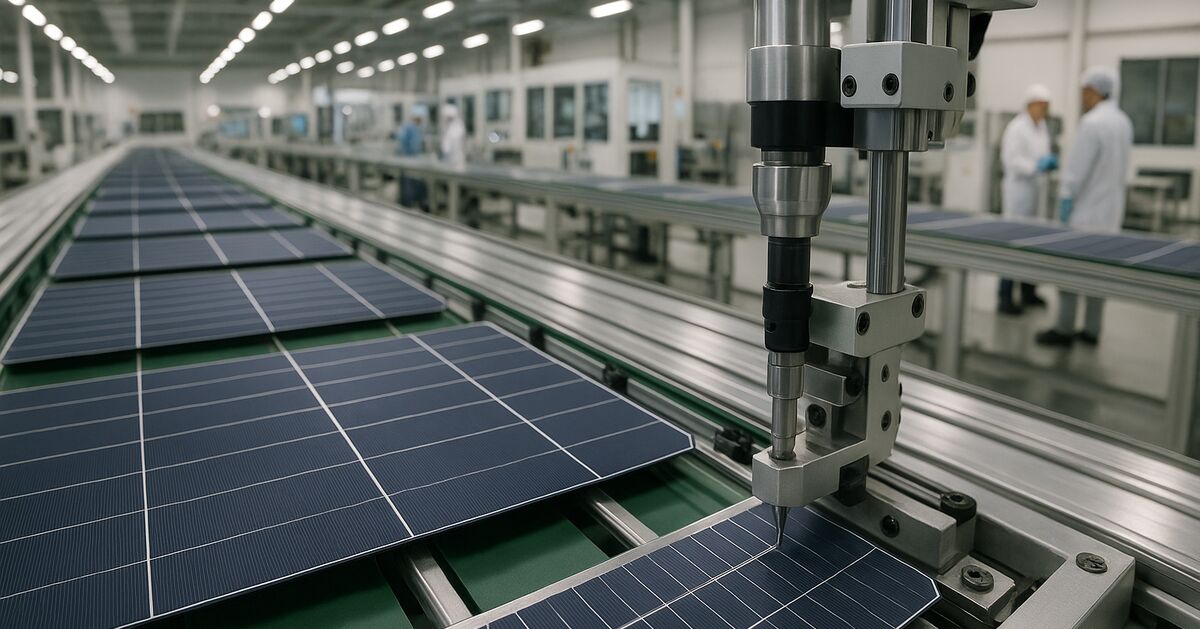
Silver is not like a painting or an antique chair. Its price is reset constantly, and the single biggest engine driving those resets is not collectors, not coin dealers, and not investors stockpiling bars in a vault. It is factories. Understanding how industrial demand for silver shapes the market gives you a real edge as a seller, because it tells you something concrete about why the spot price is where it is on any given day, and what to expect in the months ahead.
Why industry swallows so much silver
Silver has physical properties that no cheaper metal fully replicates. It is the best electrical conductor of any element. It reflects light more completely than aluminium. It bonds with glass and ceramic pastes in ways that copper cannot match at the temperatures solar manufacturers need. And it kills bacteria on contact, which makes it valuable in medical coatings, wound dressings, and water purification.
The Silver Institute, which compiles annual data on global silver fabrication, has consistently shown that industrial uses account for more than half of total annual silver demand in recent years. Electronics, photovoltaics, brazing alloys, and medical applications together account for the majority of industrial silver fabrication each year, according to Silver Institute data. That figure dwarfs coin minting or jewellery fabrication in raw tonnage.
The practical consequence for sellers: when factories are buying heavily, the market tightens, spot price rises, and the offer you receive on a bag of old sterling flatware or a stack of scrap coins will be measurably higher. When industrial demand falls, the reverse is true.
The solar panel effect
Photovoltaics deserve a section of their own because they have become the single fastest-growing industrial consumer of silver. Each solar cell uses a tiny amount of silver paste to carry the electrical current to the surface contacts. The paste is precision-formulated and there is no cheap substitute that performs as well at commercial scale.
Solar installations have grown sharply over most of the past decade, a trend widely reported by energy agencies, and this growth has increased demand for silver paste used in solar cells. Each gigawatt of new solar capacity requires a meaningful quantity of silver. When governments push renewable energy incentives (the U.S. Inflation Reduction Act of 2022, for instance, included substantial solar tax credits), panel manufacturers ramp up output, procurement teams chase silver supply, and prices can tick upward.
Sellers sometimes notice that silver prices move on news about energy policy or manufacturing output. This is why. It is not mystical. A real buyer is placing a real order for silver paste, and that demand flows back through the commodity chain to affect the spot benchmark you see on a live chart.
Electronics and the evergreen hunger for silver
Consumer electronics, industrial controls, printed circuit boards, membrane switches, and touchscreens all use silver. The metal is also central to RFID technology, which is embedded in everything from transit cards to warehouse inventory labels.
Demand from electronics tends to be steadier than demand from solar because it is tied to broad consumer spending rather than policy cycles. But it is not immune to shocks. A semiconductor shortage, a trade restriction on finished goods, or a recession that slows consumer purchasing can all reduce the volume of silver electronics manufacturers need in a given quarter. When that happens, buyers in the scrap market have a little more pricing power and may nudge their offers down.
The key point is that these are structural forces operating in the background every time you shop your silver to a buyer. The buyer's offer is not arbitrary. It is anchored to a spot price that itself reflects, among other things, what electronics manufacturers ordered last month.
Medical and antimicrobial demand
Silver's antimicrobial properties are well-documented. The U.S. Environmental Protection Agency registers silver-based products as antimicrobials, and the agency's registration process requires demonstrated efficacy data. Medical-grade wound dressings, catheters, and bone cement formulations all use silver compounds.
This segment is smaller in volume than solar or electronics, but it is relatively price-inelastic: hospitals and medical device manufacturers cannot easily substitute away from silver when price rises, because the regulatory approval process for materials substitution is long and expensive. That inelasticity gives silver demand from medicine a slight cushioning effect. Even in down cycles, medical purchasing does not collapse the way discretionary electronics might.
How tightness in industrial supply feeds through to your offer
Here is the chain of causation spelled out plainly:
- A manufacturer needs silver and places orders through a commodity broker or directly on a futures exchange.
- Higher purchasing pressure pushes the COMEX spot price upward.
- Dealers and refiners who buy scrap from the public price their offers as a percentage of spot.
- When spot rises, your percentage-of-spot offer represents more actual dollars.
The reverse is equally true, and equally mechanical. If a major industrial consumer announces reduced production, spot can slide within days, and the offer you receive the following week will be lower.
This is why timing matters. If you are not in a hurry, watching industrial news alongside spot charts gives you a more informed view of whether prices are trending up or down. Our deeper breakdown of how silver spot price is set each day and what that means for timing your sale explains the COMEX mechanics in plain terms if you want to go further on that piece.
The recycling loop and what it means for scrap sellers
Industrial silver is not entirely consumed. A significant portion is recovered from manufacturing waste, photographic fixer solutions (now declining), electronic scrap, and used catalysts. This recycled silver re-enters the supply chain and competes with newly mined silver.
When industrial activity is high, recycling volumes also tend to be high, because there is more manufacturing waste to recover. That added supply can partially offset the price pressure from rising demand. When industrial activity slows, recycling volume drops too, which partially cushions the price decline.
The net effect on a private seller is modest but real. In a strong industrial cycle, you benefit from rising spot and from refiners who are actively hungry for feedstock. In a slow cycle, refiners are less hungry, recovery volumes are also lower, and you may find buyers slightly less motivated to compete for your silver.
What sellers can practically do with this knowledge
Knowing that industrial demand drives prices is only useful if you can act on it. Here is what is realistic:
Watch manufacturing data. The U.S. Federal Reserve publishes its Industrial Production index monthly. When the index is rising strongly, broad industrial silver demand tends to follow. This is not a trading signal for short-term speculation, but it gives context. A seller who has been sitting on a canteen set for two years and notices a strong manufacturing environment has a rational reason to act rather than wait longer.
Pay attention to solar policy news. Announcements of new renewable energy subsidies, large solar farm contracts, or accelerated grid buildout targets in China, the U.S., or Europe tend to tighten silver supply expectations quickly. In the days after major policy announcements, you may see spot move noticeably.
Understand why quotes differ between buyers. A dealer who supplies directly to refiners that service industrial clients may price more aggressively than one whose main business is reselling to collectors. That structural difference in their customer base affects how urgently they need your silver. For more on this dynamic, the post on why two buyers quoted different prices for the same silver walks through the buyer-side variables in detail.
Do not confuse short-term volatility with trend. Industrial demand does not reverse overnight. Solar panel manufacturing does not shut down because silver prices rose 5% last week. If the long-term drivers (energy transition, electronics proliferation) are intact, short dips in spot price are not necessarily signals to sell urgently. On the other hand, if you genuinely need to move silver quickly, you should understand what you give up by doing so. That trade-off is covered in the piece on selling silver in a hurry: what you give up and how to limit the damage.
The difference between melt buyers and fabricators
Not every buyer of your scrap silver ends up selling it to an industrial refiner. Some dealers resell coins to other collectors, some resell flatware to antique markets, and some melt everything and send it to a refiner who does supply industry. Your payout differs depending on which path your silver takes after the sale.
A dealer who can resell your sterling tea service intact to a collector or restaurant has less urgency to price it purely as melt. A refiner buying scrap by the gram is much more directly tied to spot price, because their only customer is industry. Knowing which type of buyer you are dealing with helps you calibrate expectations. The home page of this site has a solid overview of buyer types that is worth reading before you start getting quotes.
For higher-value pieces like complete cutlery sets, the question of whether the set has collector or resale value beyond melt is especially relevant. Our piece on selling a silver canteen set: whole versus piece by piece digs into exactly that trade-off.
What industrial demand does NOT explain
Industrial demand is a major force, but it does not explain everything in silver pricing. Investor sentiment, currency movements (silver is priced in U.S. dollars, so a weaker dollar raises silver prices in dollar terms), geopolitical stress, and central bank policy all play roles.
It also does not explain the premiums that specific coins or collectible pieces carry above melt. A Morgan silver dollar with numismatic value, or a complete Georgian tea service in excellent condition, can trade at meaningful premiums over spot regardless of what the solar industry is doing that week. Industrial demand sets the floor under silver's price. What takes a specific piece above that floor is something else entirely, and worth understanding separately before you decide how and where to sell.
If you have questions about how these different factors interact for your specific items, the FAQ page covers a wide range of seller scenarios, and the contact page is there if you want to raise something more specific.
Putting it all together
Silver is an industrial raw material first and a monetary metal second, at least by volume. The photovoltaic industry, electronics manufacturers, and medical device makers are collectively buying more silver every year. That structural hunger creates a persistent baseline demand that supports prices over the long run, even when investor appetite is lukewarm.
For a private seller, this means the offer you receive on a bag of old coins or a box of inherited flatware is not set capriciously. It is anchored to a global market where factories are placing orders, refiners are managing inventory, and spot price adjusts in near-real time. The more you understand those forces, the less surprising the number on the buyer's offer sheet will feel, and the better positioned you are to decide whether to accept it, negotiate, or wait.
Watch industrial output data the way a farmer watches weather reports: you cannot control it, but it tells you something real about the environment you are operating in. When the factories are hungry, sell into strength. When the cycle is quiet, know that patience has a cost too. That is as practical as silver market knowledge gets.
Sources & further reading
- World Silver Survey - industrial demand data (The Silver Institute)
- EPA Antimicrobial Pesticide Registration - silver-based products (U.S. Environmental Protection Agency)
- Industrial Production and Capacity Utilization index (U.S. Federal Reserve)
Revision history (1)
- Sep 18, 2026 - Pre-publish editorial QA: 1 flagged, 0 softened; claim audit: 3 claims, 2 rewritten
Claim-by-claim audit (3 checked)
- “Electronics, photovoltaics, brazing alloys, and medical applications together account for the majority of industrial silver fabrication each year, according to Silver Institute dat…” (rewritten to what the article can stand behind)
- “Solar installations have grown sharply over most of the past decade, a trend widely reported by energy agencies, and this growth has increased demand for silver paste used in solar…” (rewritten to what the article can stand behind)
- “When governments push renewable energy incentives (the U.S. Inflation Reduction Act of 2022, for instance, included substantial solar tax credits), panel manufacturers ramp up outp…” (reasoning shown in the article)