
Silver plate is not worthless, but it is not scrap either
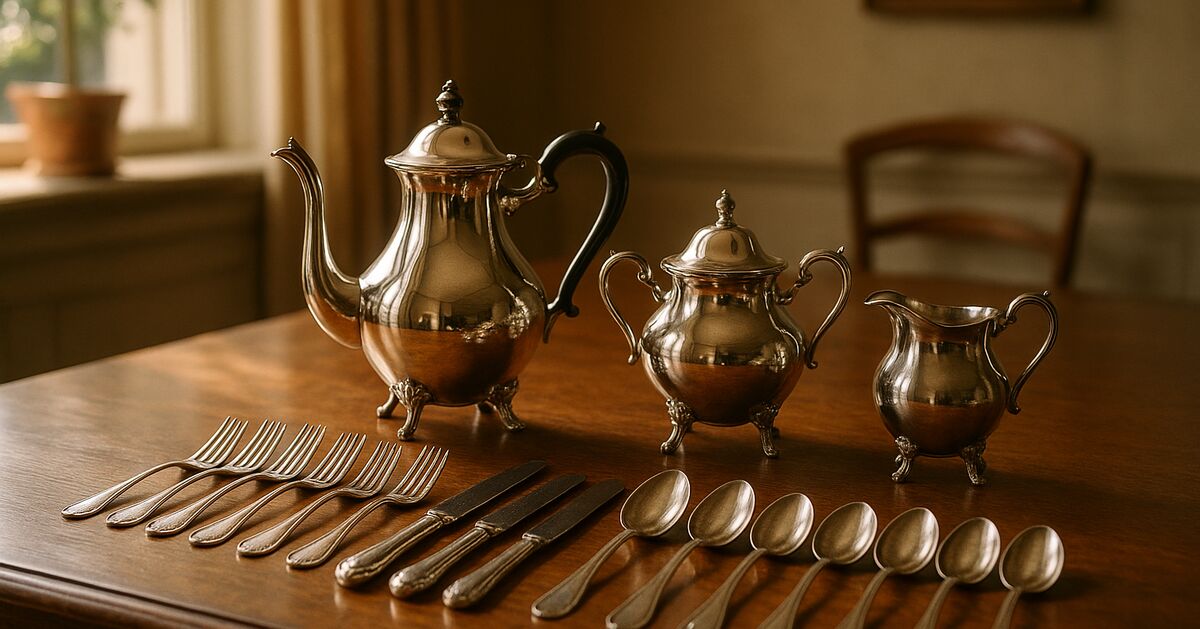
Silver plate lands in a frustrating middle ground. It is not worthless junk, but it is also not the valuable scrap that sterling is. Understanding that distinction - and acting on it - is the difference between giving a tea service away for a few dollars and walking away with a fair return.
This post is for anyone sitting with a collection of plated pieces wondering what to do next. The short answer is: slow down, look carefully, and sell to the right buyer for the right reason.
Why silver plate confuses so many sellers
The confusion starts with the word "silver.When a piece is described as silver plate, some people assume it either is silver or it is not, and they react accordingly. Dealers and pawn shops sometimes encourage that binary thinking because it keeps negotiations simple for them.
The reality is more layered. Silver plate is a base metal, usually copper, brass, or nickel silver (which contains no actual silver at all), coated with a thin layer of real silver through electroplating or, in older Sheffield Plate, through a fused-sheet process. The silver content is real, but the quantity is so small that it has almost no melt value in the way sterling does.
A standard electroplated piece typically carries only a small amount of silver, so the recoverable metal value is minimal at current prices. Most commercial refiners are unlikely to process silver plate on its own, since the cost of stripping and refining can outweigh the yield. If someone offers to buy your plated candlesticks "for the silver content," they are either mistaken or hoping you are.
That is the ceiling on the scrap argument. Now here is the floor on the "worthless" argument: it does not hold up either.
What silver plate actually sells for
Pricing silver plate is genuinely context-dependent, so rather than made-up figures, it helps to understand the factors that move the number up or down.
Condition. Plate wears through over time, exposing the base metal beneath, particularly on high-contact areas like the backs of spoon bowls and the edges of serving pieces. A piece with extensive "bleeding" (the reddish or brassy patches where copper shows through) is worth much less than one with intact plating. Replating is possible, but the cost of a professional replating job rarely makes economic sense on anything but a sentimental or high-value piece.
Maker and age. This is the factor that separates a $5 yard-sale piece from a $150 one. Pieces marked by well-regarded makers - Elkington in England, Reed and Barton, Rogers Brothers, or Gorham in the United States - carry a collector premium that has nothing to do with silver content. Sheffield Plate, made before electroplating became common (roughly pre-1840), is a separate category and is often collected. The fused copper-and-silver construction is visible on worn edges as a distinctive layered stripe, and genuine Sheffield Plate commands real money at specialist auctions and antique dealers.
Pattern and completeness. A complete 12-place canteen in a sought-after pattern is worth considerably more per piece than the same items sold individually. Buyers for plated sets tend to be people furnishing a home or catering a wedding rather than collectors, but that market exists and it pays more than a charity shop.
Form. Decorative hollow ware, such as teapots, coffee services, and epergnes, sells better than flatware in most markets because the craftsmanship is visible and the pieces display well. Flatware is plentiful and competes against cheap new imports. Hollow ware is harder to reproduce cheaply, so antique pieces hold more appeal.
Fashion. Tastes shift. Heavy Victorian-era silver plate with elaborate chased decoration has been out of fashion for decades, which depresses prices. Clean Edwardian and Arts and Crafts forms are more sought-after right now. This is not a permanent state of affairs, but it does affect what you can realistically expect today.
Reading the marks on plated pieces
Marks are your first piece of evidence. The topic of reading genuine sterling hallmarks is covered in detail in our guide to sterling silver hallmarks explained: reading the four British marks, so here we focus on what the marks on plated pieces actually look like.
British electroplate is often marked EPNS (electroplated nickel silver), EPBM (electroplated Britannia metal), or EP alone. The presence of a set of pseudo-hallmarks that look like the lion passant, the date letter, and the assay office mark but are not quite right is a classic sign of plate, not sterling. Genuine sterling always carries a lion passant on British pieces; plated pieces sometimes imitate the overall layout without bearing that mark legally.
American plated pieces often carry fraction marks like A1, 12/0, or triple-plate designations, none of which refer to purity. Rogers Bros. pieces are marked "1847 Rogers Bros." - the date refers to the company's founding year, not the year of manufacture, which catches a lot of people out.
Sheffield Plate has no standard marks in the way that sterling does, though some makers used their own marks from the late 18th century onward. If a piece has no marks at all and shows that characteristic layered edge on worn areas, it is worth having assessed properly before you sell.
Where to sell silver plate (and where not to bother)
Do not take it to a silver scrap buyer. As explained above, the recoverable silver content is negligible. A scrap buyer will either refuse it outright or offer a token amount purely for the base metal, typically a few pence or cents per piece. This is the right outcome for a completely worn, damaged, or broken piece with no other value, but for anything presentable, it leaves money on the table.
Try the secondhand and vintage market first. Online platforms such as eBay and Etsy reach buyers who actually want plated pieces for use or display. Completed listings (the sold items, not the asking prices) give you a reliable read on what pieces like yours have actually changed hands for. Search by maker name, pattern name if you know it, and form. You will likely be surprised by the range.
Antique dealers and markets. A generalist antique dealer may take plated pieces on consignment or offer a trade price, particularly for better-marked or unusual items. Trade prices from dealers are often a fraction of retail value, since the dealer carries stock risk and storage costs. That said, a trade price from a knowledgeable dealer is often far better than a scrap offer.
Specialist silver dealers. For Sheffield Plate, Victorian-era hollow ware, or pieces by a significant maker, a specialist is the right first call. They know their market, they can identify pieces accurately, and they will not waste your time with a scrap-rate offer. Checking the frequently asked questions on this site can help you prepare before approaching a dealer.
Auction houses. For a complete canteen or a particularly fine piece of Sheffield Plate, a regional auction house is worth considering. Auction fees apply and can be significant, but competitive bidding can sometimes deliver better results than a fixed trade offer for items with genuine collector appeal.
Charity shops and estate sales. These are fine if your goal is to clear space quickly and the pieces have no real collector value. But do the research first.
The replating question
People sometimes ask whether having a piece replated before selling increases its value enough to cover the cost. In most cases, the answer is no. Replating by a skilled silversmith costs real money, and the secondhand market does not pay a premium for replated pieces in the way it does for original condition. Collectors of antique silver plate generally prefer honest wear to a fresh re-plate, because replating obscures the piece's history and can damage fine engraving or decoration.
The exception is a piece with strong sentimental or practical value to the buyer - a wedding gift being restored for continued use, for example. In that context, replating makes sense, but it is a lifestyle decision rather than an investment calculation.
How to tell if you have plate or sterling
If you have not yet confirmed what you have, the how to sell silver home page is a good starting point for getting oriented. The practical tests for telling sterling from plate are covered in a post specifically on that topic, which we keep separate to avoid repeating the ground here. The short version: look for hallmarks, check for base metal showing through on wear points, and use a magnet (sterling is not magnetic, but the base metals in plate sometimes are, particularly if the base is iron or steel).
Do not rely on the feel of weight alone. Some plated pieces, particularly older hollow ware, are surprisingly heavy because of their thick base metal or lead-weighted bases. Weight is not a reliable indicator of silver content. This is particularly relevant for flatware sets, where weighted handles are common, a topic we explore in the context of canteen value in our post on weighted knife handles and what they do to canteen value.
The broader lesson about valuing what you have
A theme that runs through everything on this site is the importance of knowing what you have before you decide what to do with it. Silver plate is the clearest example of that principle. Take it to the wrong buyer and you get almost nothing. Take it to the right one and you might be pleasantly surprised.
If your collection includes a mix of sterling and silver plate, the guidance in our post on pawn shop, coin dealer or mail-in buyer: who pays most for silver? will help you think through the channels for the sterling items. The two categories often need to be sold separately, through different routes, to get the best outcome from each.
For any piece where you are unsure whether the collector value might be significant, read through the questions to ask before you accept an offer on silver before committing. The same logic applies to plate as to sterling: once you accept a price, it is done.
Practical steps before you sell
- Clean the pieces gently with warm soapy water and a soft cloth. Do not use abrasive silver polishes, which can accelerate wear on thin plating. Mild tarnish is fine; a buyer will account for it.
- Note every mark you can find, including any pattern numbers, maker's name, and grade designations. Photograph them clearly.
- Search completed eBay listings for the maker name and form to establish a realistic baseline price.
- Separate any pieces that show significant wear-through, as they are likely only suitable for the charity shop or bin.
- For anything that might be Sheffield Plate or by a notable maker, get a second opinion from a specialist before accepting any offer.
Silver plate deserves more than a dismissive "it's only plate." It is not the same as sterling, and pretending otherwise helps no one. But with a little attention and the right selling channel, plated pieces can find buyers who genuinely value them, and you will leave the transaction feeling like you did the work properly.
For more practical guidance on silver selling across all categories, browse the rest of the articles on the blog.
Sources & further reading
- Hallmarking of precious metals and guidance on marks (London Assay Office)
Revision history (1)
- Pre-publish editorial QA: 2 flagged, 2 softened; claim audit: 6 claims, 5 rewritten
Claim-by-claim audit (6 checked)
- “A standard electroplated piece typically carries only a small amount of silver, so the recoverable metal value is minimal at current prices.” (rewritten to what the article can stand behind)
- “Most commercial refiners are unlikely to process silver plate on its own, since the cost of stripping and refining can outweigh the yield.” (rewritten to what the article can stand behind)
- “Genuine sterling always carries a lion passant on British pieces; plated pieces sometimes imitate the overall layout without bearing that mark legally.” (cited → assayofficelondon.co.uk)
- “Sheffield Plate, made before electroplating became common (roughly pre-1840), is a separate category and is often collected.” (rewritten to what the article can stand behind)
- “Trade prices from dealers are often a fraction of retail value, since the dealer carries stock risk and storage costs.” (rewritten to what the article can stand behind)
- “Auction fees apply and can be significant, but competitive bidding can sometimes deliver better results than a fixed trade offer for items with genuine collector appeal.” (rewritten to what the article can stand behind)