
Selling inherited or scrap gold: a practical guide to
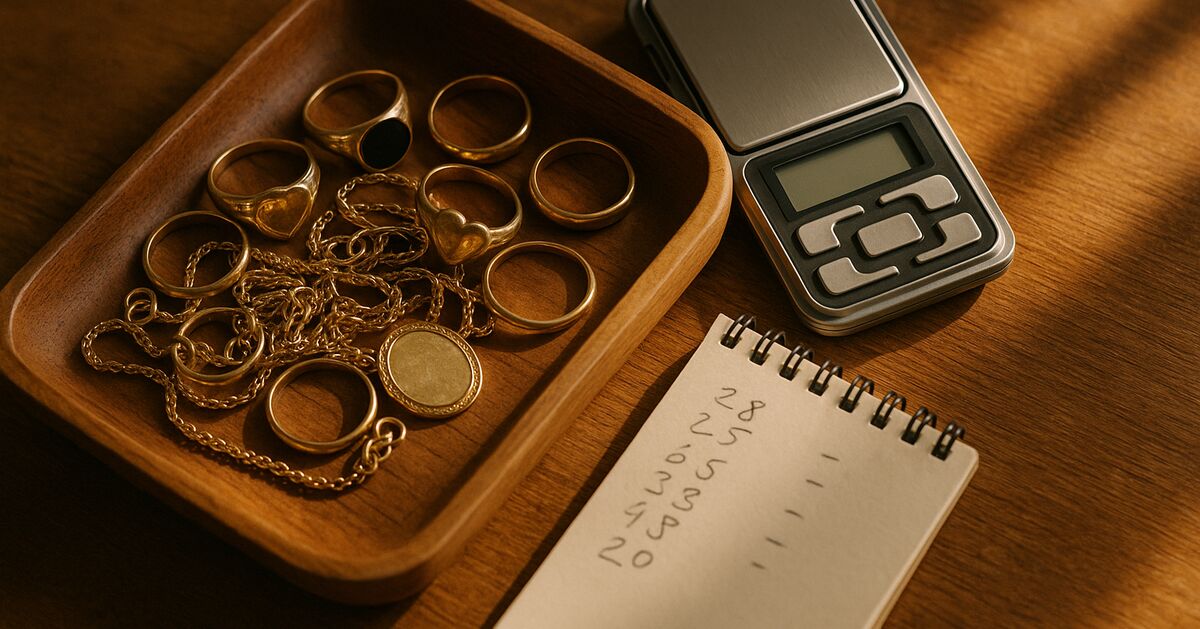
Selling gold feels urgent the moment you decide you want to do it, and that urgency is exactly what some buyers count on. Whether you have a drawer full of tangled chains from an estate, a handful of dental crowns, a broken watch, or a modest stack of coins, the gap between what you could get and what you actually get often comes down to preparation. Having spent nearly two decades buying gold and silver from the public, I watched the same avoidable mistakes play out again and again. This guide is an attempt to prevent that.
Understand what you actually have before you call anyone
Gold is not gold is not gold. The word covers a wide range of alloys, and the difference between a 10-karat piece and an 18-karat piece of identical weight is enormous in dollar terms. Karat (abbreviated kt or K) describes the proportion of pure gold in an alloy, measured out of 24 parts. So 24kt is essentially pure gold, 18kt is 75% gold, 14kt is 58.3% gold, and 10kt is 41.7% gold. A piece of 10kt jewelry weighing the same as a piece of 18kt jewelry contains less than half the actual gold.
The karat stamp is usually found on the inside of a ring shank, on the clasp of a necklace or bracelet, or on the back of a pendant. Common stamps you will see on American jewelry include 10K, 14K, and 18K. European pieces often use a three-digit millesimal fineness instead: 375 means 37.5% gold (roughly 9kt), 585 means 58.5% (14kt), 750 means 75% (18kt). Italian gold frequently uses 750. British pieces carry a hallmark system with a lion passant and a date letter, but the fineness number is still stamped.
If there is no stamp, that does not automatically mean the piece is not gold. Stamps wear off, pieces are re-sized and the stamp ground away, or the item simply predates compulsory marking. A reputable buyer will test unmarked pieces regardless. But if a stamp is present, it gives you a baseline before you walk into any conversation.
Dental gold is a category that confuses a lot of sellers. Crowns, bridges, and inlays are not necessarily high-karat. Dental alloys typically run from about 10kt to 18kt, and some include palladium or other platinum-group metals alongside the gold. A buyer who specializes in dental gold (or who sends to a refinery that does) will give you a better return than a general jewelry buyer who is guessing.
Broken, mismatched, or single pieces are all perfectly sellable as scrap. Weight and purity are what matter to a refiner, not condition.
Know the weight and do the math yourself
The single most useful thing you can do before getting quotes is weigh your gold and calculate a rough melt value yourself. You need a kitchen scale that reads in grams, the current spot price of gold (published on commodities sites in real time), and the karat of each piece.
The formula is straightforward:
Melt value = weight in grams x (karat / 24) x (spot price per gram)
Spot price is quoted in troy ounces. One troy ounce equals 31.1035 grams. Divide the per-troy-ounce price by 31.1035 to get the per-gram price.
So if you have a 14kt ring that weighs 5 grams and gold spot is $3,000 per troy ounce:
- Per gram spot: $3,000 / 31.1035 = approximately $96.45
- Gold content factor for 14kt: 14/24 = 0.5833
- Melt value: 5 x 0.5833 x $96.45 = approximately $281
No buyer will pay you 100% of melt. They cannot: they need a margin to cover refining costs, shipping, insurance, overhead, and profit. But knowing your melt value tells you whether the offers you receive are reasonable or insulting.
Many reputable buyers pay a majority of melt value for scrap gold jewelry, though the exact percentage varies by buyer and market conditions. Coins and bars command different treatment, which we will cover separately below.
Types of gold buyers and what to expect from each
Not every buyer is the same, and choosing the right channel is as important as knowing your numbers. For a broader look at how buyer types compare when you are dealing with mixed precious metals, the guide on selling silver and gold jewelry together: a practical guide is worth reading alongside this one.
Local jewelers. A retail jeweler's primary business is selling new jewelry, not buying scrap. Many will make an offer, but the offer is often low because they are factoring in their own uncertainty about the alloy and the hassle of getting it refined. There are exceptions, particularly estate jewelers who deal in second-hand pieces regularly. If you go this route, get the offer in writing and compare it.
Coin dealers. Coin shops handle gold coins and bars regularly, and the better ones are comfortable pricing gold jewelry too. If your gold happens to include coins, a specialist coin dealer is usually the strongest starting point. The home page of this site has more context on finding the right buyer for different types of precious metal.
Pawn shops. Pawn shops are convenient and fast, but the margin built into their offers reflects the risk they carry and the speed of the transaction. Expect lower percentages of melt than a specialist buyer. If you need cash today and cannot wait for a mail-in process, a pawn shop is a legitimate option; just go in with your melt calculation already done so you know exactly where you stand.
Mail-in precious metal buyers. Reputable mail-in buyers tend to pay better percentages of melt than walk-in retail channels, because their overhead model is different. The key word is reputable. Before sending anything, verify that the company has a clear written process, insured return shipping if you decline their offer, and verifiable reviews from real sellers. Check for a presence with the Better Business Bureau or comparable consumer-protection organizations. Never send gold to a buyer who cannot demonstrate a clear returns policy.
Refineries. If you have a large enough quantity, some refineries will deal directly with the public. The payouts can be very close to spot, but minimum quantities are often required, and the process is slower.
Online marketplaces. Platforms like eBay can work well for gold coins with numismatic value (collector value above melt) because you reach a wide audience. For raw scrap jewelry, the hassle of listing, selling, and shipping to an individual buyer rarely justifies the effort compared to a specialist buyer.
Gold coins and bars: melt versus collector value
Scrap gold is priced purely on metal content. Gold coins are more complicated, and it is worth taking a moment on this even if your primary interest is jewelry.
A one-ounce American Gold Eagle contains one troy ounce of gold. Its melt value is simply the gold spot price. But Gold Eagles also carry a legal tender face value and are in demand from investors and collectors, which means a coin dealer will often pay a premium above melt for them. That premium fluctuates with market demand.
Older coins, particularly pre-1933 U.S. gold coins and certain world gold coins, can carry substantial numismatic premiums well above melt. A $20 Saint-Gaudens double eagle in good condition may be worth considerably more than its gold content to a collector. Never sell a coin you have not at least had cursorily identified. If you are dealing with inherited gold coins alongside inherited silver, the post on selling inherited or scrap silver: a practical guide covers the same sorting and identification process on the silver side.
Bars are simpler: their value is almost entirely melt-based, plus a modest premium for recognized hallmarks (PAMP Suisse, Valcambi, Perth Mint, and similar refiners whose bars are easily verified and resold).
Common mistakes that cost sellers real money
Cleaning the gold. Unlike silver, gold does not tarnish in the conventional sense, but some sellers polish or clean pieces before getting an offer, hoping to improve appearance. For scrap, condition is irrelevant to the buyer. For coins or antique pieces, cleaning can actually reduce numismatic value. Leave pieces as you found them.
Mixing karats in one lot. If you hand a buyer a pile of mixed jewelry and ask for one price, the buyer will often calculate at the lowest karat present. Separate pieces by karat stamp before you show up. Any piece you cannot identify should be treated separately, and a good buyer will test it individually.
Accepting the first offer without a comparison. A mistake that comes up again and again among sellers is accepting the first number offered simply because it sounded like a lot. Unless you know your melt value and have a second quote to compare it to, you have no frame of reference. Getting two or three offers costs very little time and can mean a meaningful difference in your return.
Forgetting about non-gold materials. Clasps, springs, solder points, and stone settings add to the total weight of a piece without adding gold content. Buyers who weigh finished jewelry without deducting for non-gold components will produce a misleading number if you try to calculate melt yourself. Ask the buyer how they handle stones, clasps, and findings, or remove them yourself if you can.
Selling without checking for collectible value. Signed pieces from recognized jewelry makers (Cartier, Tiffany, Van Cleef and Arpels) are worth far more than their gold content. So are pieces from specific historical periods. If a piece looks unusual, old, or has a designer signature, have it identified by an antique dealer or auction house before assuming it is just scrap.
What drives the gold spot price and why it matters to your timing
Gold is priced on global commodity exchanges in U.S. dollars per troy ounce. The price moves continuously during trading hours and responds to a range of factors: the strength of the U.S. dollar, real interest rates, geopolitical uncertainty, central bank buying and selling, and investor sentiment around inflation. Per the World Gold Council's published research, central bank gold demand has been one of the notable drivers of price in recent years.
You do not need to become a commodities analyst to sell gold wisely. But understanding a few basics helps:
- Gold tends to rise when inflation expectations rise, when interest rates fall, or when geopolitical risk increases.
- A strong U.S. dollar tends to push gold prices lower (since gold is dollar-denominated, a stronger dollar makes it more expensive for buyers using other currencies).
- Gold prices can fluctuate noticeably over short periods, especially during volatile market conditions, so check current pricing before selling.
If your gold is scrap and you are not in a hurry, watching the price trend over a few weeks before selling is a reasonable step. If you need the money now, that is also fine; just know the price on the day you receive quotes.
The testing process: what actually happens to your gold
A serious buyer will not simply take your word for the karat. Professional testing methods include:
Acid testing. A small scraping of metal is touched to a testing stone and treated with a series of nitric acid solutions of different strengths. The reaction (or lack of it) indicates the approximate karat range. It is fast, inexpensive, and accurate enough for sorting, though not precise to the decimal.
X-ray fluorescence (XRF). A handheld XRF gun bombards the surface of the metal with X-rays and reads the resulting fluorescence spectrum to identify the precise elemental composition. It is non-destructive, takes seconds, and gives a full breakdown of what alloys are present. Reputable buyers who deal in volume typically use XRF.
Fire assay. The gold-standard (literally) method for refineries. A small sample is dissolved and the gold separated chemically. Extremely accurate, but it destroys the sample and takes longer. Used at the refinery stage, not typically at the point of purchase.
When you send gold to a mail-in buyer, the buyer or their lab partner will use one of the first two methods to verify the karat before making an offer. If the offer does not match your expectation based on the karat stamp, ask for the specific test result and the karat they used in their calculation. A transparent buyer will tell you.
Putting it together: a simple selling checklist
Before you contact a single buyer, run through this list:
- Separate gold pieces by karat using the stamps. Set aside anything with no stamp.
- Weigh each group in grams on a digital scale.
- Look up today's gold spot price and calculate approximate melt value for each group.
- Check any coins for potential numismatic value before treating them as scrap.
- Look for designer signatures or hallmarks on jewelry that might indicate collector interest.
- Remove stones, clasps, or obvious non-gold attachments where possible.
- Identify at least two buyers (local and mail-in, or two local) and get written offers from each.
- Ask each buyer to explain their testing method and their returns policy.
- Compare offers as a percentage of your melt calculation, not as an absolute dollar figure.
For related context on selling different precious metals together and how to navigate the process when you have a mixed lot, the post on selling silver and gold in Canada: what it's worth and how to get a fair offer covers the same practical framework for Canadian readers. And if you are working through a larger estate that includes silver alongside the gold, the frequently asked questions section of this site addresses a range of seller questions that come up in those situations.
The blog also has detailed guides on specific gold coin types if you find yourself with coins you need to identify before selling.
Gold is not a complicated thing to sell once you understand the variables. Weight, purity, spot price, and buyer margin: those four factors explain most offers you will receive. Know them going in, and you are already ahead of sellers who walk in blind.
Sources & further reading
- Gold demand trends and central bank buying research (World Gold Council)
- Commodity futures trading and spot price data for gold (U.S. Commodity Futures Trading Commission)
- Weights and measures: troy ounce and gram conversions (National Institute of Standards and Technology (NIST))
- Consumer protection resources for buying and selling precious metals (Federal Trade Commission (FTC))
- Better Business Bureau: verifying buyer reputation (Better Business Bureau)
Revision history (1)
- Pre-publish editorial QA: 1 flagged, 1 softened; claim audit: 7 claims, 2 rewritten
Claim-by-claim audit (7 checked)
- “Many reputable buyers pay a majority of melt value for scrap gold jewelry, though the exact percentage varies by buyer and market conditions.” (rewritten to what the article can stand behind)
- “Reputable mail-in buyers tend to pay better percentages of melt than walk-in retail channels, because their overhead model is different.” (reasoning shown in the article)
- “Per the World Gold Council's published research, central bank gold demand has been one of the notable drivers of price in recent years.” (cited → gold.org)
- “Gold tends to rise when inflation expectations rise, when interest rates fall, or when geopolitical risk increases.” (reasoning shown in the article)
- “A strong U.S. dollar tends to push gold prices lower (since gold is dollar-denominated, a stronger dollar makes it more expensive for buyers using other currencies).” (reasoning shown in the article)
- “Gold prices can fluctuate noticeably over short periods, especially during volatile market conditions, so check current pricing before selling.” (rewritten to what the article can stand behind)
- “One troy ounce equals 31.1035 grams.” (cited → nist.gov)